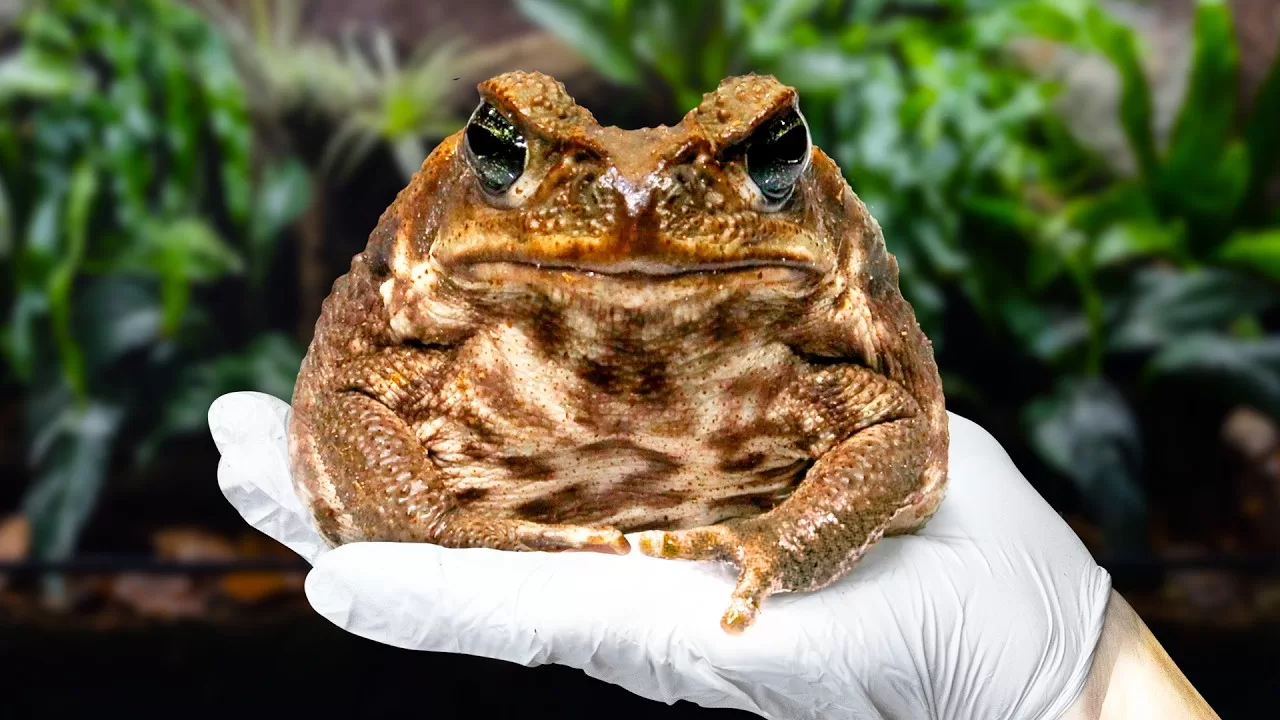
This bushland is an important habitat for frogs and native wildlife. Cane toads impact this ecosystem. Reducing their numbers helps protect local species.
Cane toads are an invasive species that pose a serious threat to native wildlife across South-East Queensland. In Thornlands, and surrounding areas that support frogs, insects, reptiles, birds, bees, and other vulnerable species, cane toads also allow cane toads to move easily through the landscape.
Our focus is on protecting the Thornlands bush corridor — a network of connected reserves, creeks, and drainage systems that provide essential habitat for native wildlife but also allow cane toads to move easily through them.
These areas include bushland and waterways around George Thorn Drive, Jerrys Place, and Masening Esplanade, extending through to South Street, as well as adjoining reserves and backyards that connect to these systems.
This website shares practical, experience-based information to help local residents identify cane toads, understand how yard conditions can attract them, and safely contain captured toads. Where individuals choose to act, we also link to authoritative guidance from recognised environmental and animal-welfare organisations, including Queensland Government resources, to support informed and responsible decision-making.
If you live in Thornlands or a nearby suburb and would like to be included on this webpage, please get in touch — we’d love to hear from you. You’re also welcome to come along and join us for toad busting activities, which usually run from September through to April.
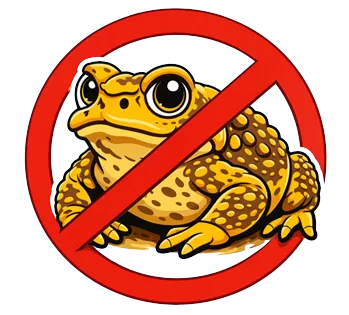
Protect native frogs by confirming identification before taking any action.
Use safe handling practices and follow official humane guidance.
Misidentification can harm local frog species. Take a moment to confirm what you’re seeing before you act. (Department of the Environment, Water, Heritage and the Arts}
What to look for:
If you’re not sure:
Photograph from a safe distance and seek local guidance before intervening.
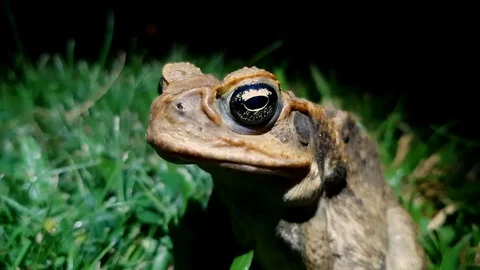
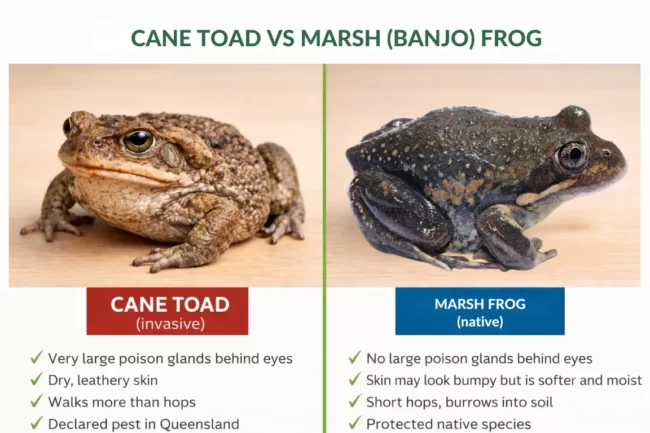
✅ Cane Toad (Rhinella marina)
🐸 Eastern Banjo Frog (Native — PROTECTED)
⚠️ Important: Native frogs are protected. They must not be harmed.
If you’re not 100% certain it’s a cane toad:
Do not handle or interfere with it
Australia is home to more than 240 native frog species, but only one invasive cane toad.
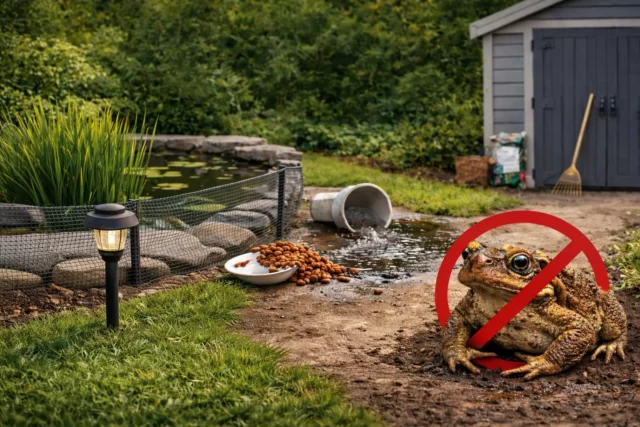
Prevention works best.
Cane toads come for three things: food, water, and shelter. Reduce those, and you’ll see fewer of them over time.
Practical steps:
Headline: Safe handling first (for you, pets, and wildlife)
If you choose to capture cane toads, focus on safe containment and hygiene.
Safety basics:
Important:
We don’t recommend improvised or harmful “quick kill” methods. Stick to official animal welfare guidance. RSPCA Knowledgebase